
How to Dilute Rosemary Oil for Hair and Scalp Safely
 If you want to try rosemary oil on your hair or scalp, dilution is one of the most important steps to get right. Pure rosemary essential oil is highly concentrated, so putting it directly on your scalp can increase the chance of irritation. A simple rule for beginners: start low, use a suitable carrier oil and consider a pre-diluted scalp product if you don't want to mix it yourself.
How Much Rosemary Oil Should You Use?
There isn't one universal dilution that works for everyone, but a conservative starting range for a leave-on scalp oil is 0.5% to 1% rosemary essential oil. General essential-oil guidance recommends keeping concentrations low when you're applying them to skin, particularly if you're new to essential oils or have sensitive skin.
For a rough guide, a 1% dilution is about 3 drops of essential oil in 10 mL of carrier oil or 9 drops in 30 mL (1 ounce). At 0.5%, that's about 1 drop in 10 mL or 4 drops in 30 mL. Drop sizes can vary, so treat these numbers as approximate rather than an exact measurement.
There's no reason to jump to a higher concentration simply because you're hoping for faster results. More concentrated doesn't automatically mean more effective and it can increase the risk of a skin reaction.
Which Carrier Oil Should You Choose?
A carrier oil is simply the base oil that dilutes the rosemary essential oil. Jojoba, coconut, grapeseed and sweet almond oil are common choices for hair and scalp blends.
Choose whichever feels comfortable on your scalp and works with your hair type. If you're prone to an oily scalp or breakouts around your hairline, you may prefer a lighter-feeling formula and should stop using any product that seems to trigger bumps or irritation. Hair products containing oils can contribute to clogged pores for some people.
Patch-Test Before Your Scalp
Before applying your mixture everywhere, test it on a small area of skin. The American Academy of Dermatology recommends applying a new product to a small test spot twice a day for seven to 10 days and watching for redness, itching or swelling.
If you develop a reaction, wash the product off and don't use it again. If you have particularly sensitive skin or a history of reactions to fragrances or essential oils, consider talking with a dermatologist before trying a DIY blend.
The Easier Option: Pre-Diluted Rosemary Oil
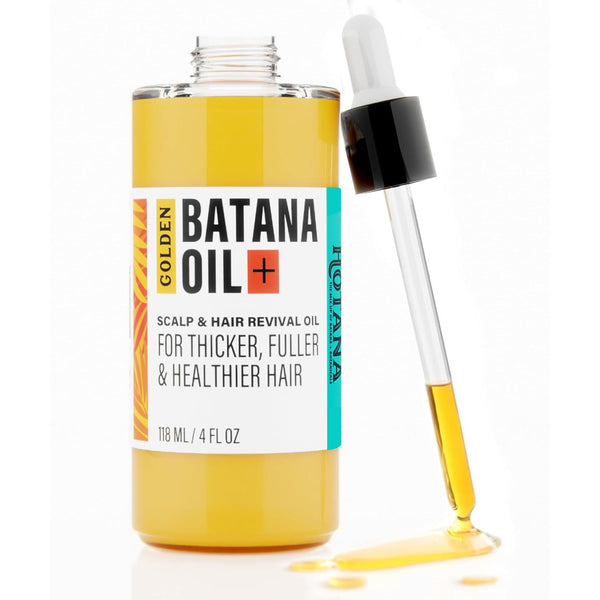
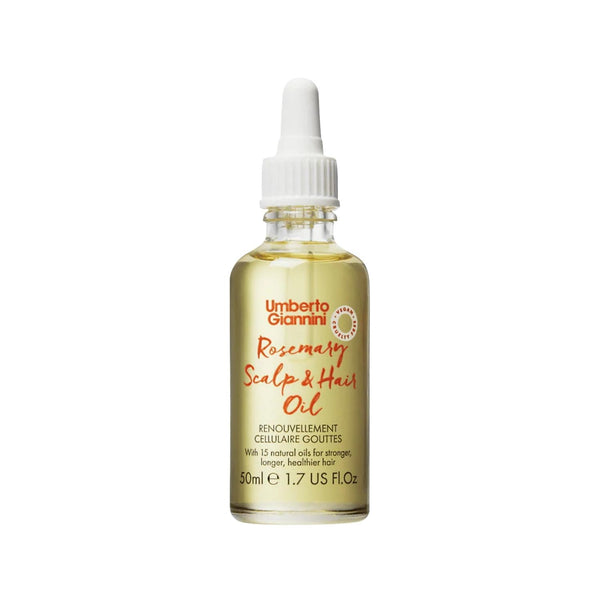
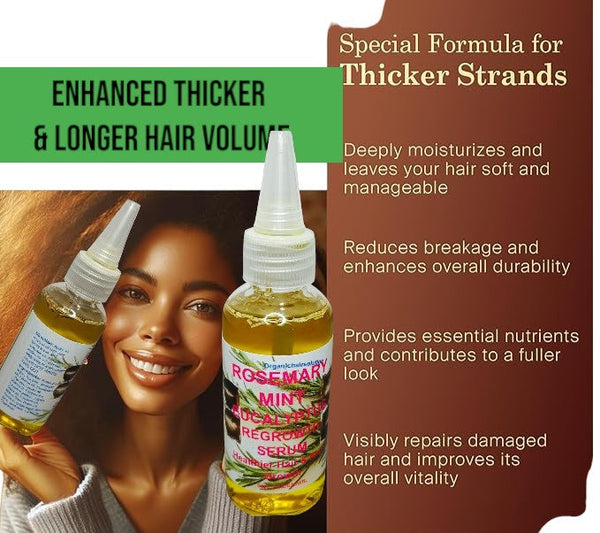
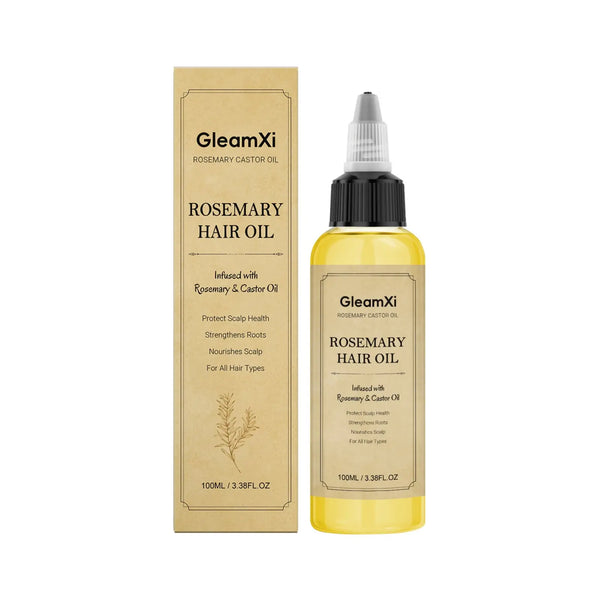
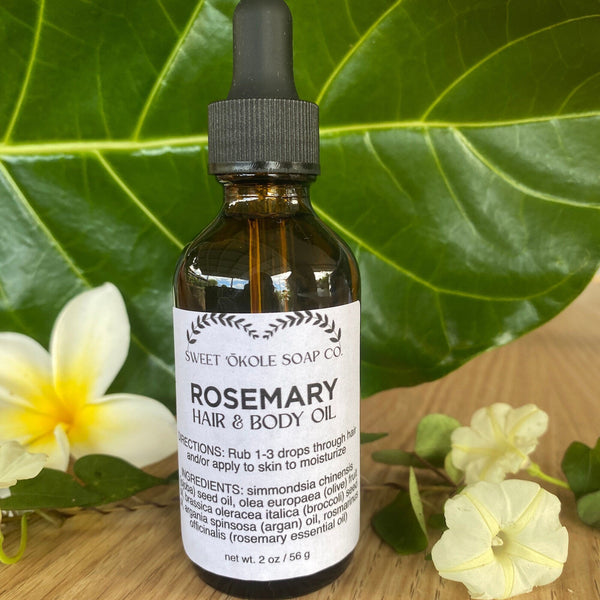
If measuring drops and carrier oils sounds like more work than you signed up for, there's an easier route: choose a pre-diluted scalp oil or serum that's already formulated for topical use. Check the label for clear directions and follow the recommended amount rather than adding extra rosemary essential oil yourself.
And remember, rosemary oil is for topical use in this routine—never ingest rosemary essential oil
If you're dealing with sudden, significant or persistent hair loss, don't rely on a DIY oil blend as your only solution. Hair loss can have many causes, so a dermatologist can help you figure out what's going on and whether a different treatment would be more appropriate.
Use a pre-diluted scalp oil for a simpler approach that eliminates the guesswork around mixing and makes it easier to follow a consistent hair-care routine.
Share