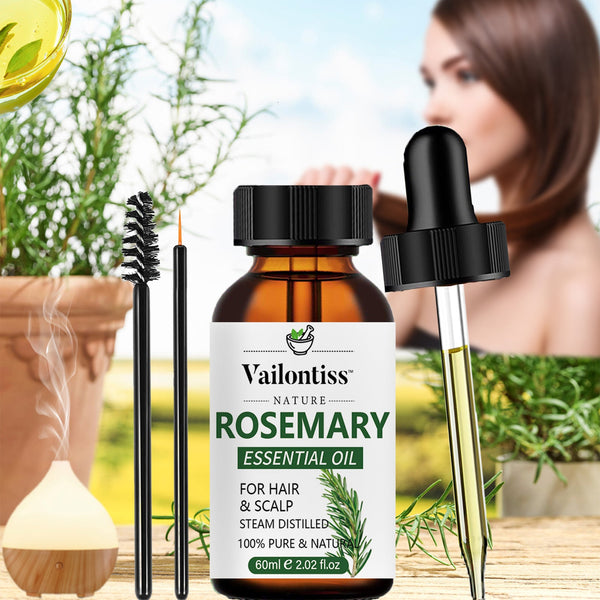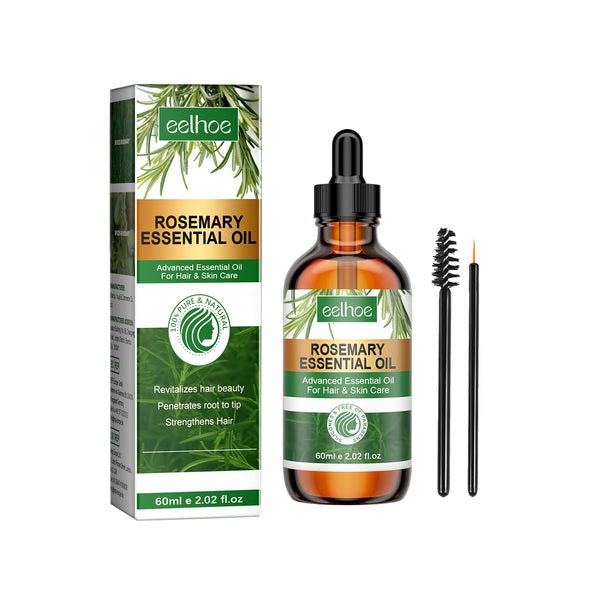

Rosemary Oil for Beard, Eyebrow and Eyelash Growth: Safety First
 Rosemary oil is often promoted online as a way to encourage fuller-looking facial hair, eyebrows and eyelashes. But the evidence is much more limited than the marketing can make it sound. Research on rosemary oil and hair has primarily looked at the scalp, so those findings should not be treated as proof that rosemary oil grows beards, eyebrows or eyelashes.
That distinction matters because the skin around your eyes and other parts of your face is different from the scalp. A product that's intended for the scalp may not be appropriate for the face, and something designed for facial hair isn't automatically safe to use near the eyes.
What the Evidence Actually Shows
There is some human research on rosemary oil and scalp hair. One small clinical study compared rosemary oil with 2% minoxidil in people with androgenetic alopecia and found increases in hair count after six months in both groups. However, that study involved the scalp (not beards, eyebrows or eyelashes) and it doesn't establish that rosemary oil promotes facial-hair growth.
There isn't comparable evidence showing that applying rosemary oil to your beard or eyebrows will make them grow faster or become thicker. Even less evidence exists for eyelashes, and scalp findings should not be extrapolated to the delicate eye area.
If you're interested in rosemary oil for a beard or eyebrows, think of it as a cosmetic ingredient rather than a proven growth treatment.
Be Especially Careful Around Your Eyes
Do not put rosemary essential oil in your eyes or apply it directly to your eyelashes. Essential oils are highly concentrated and can cause significant irritation if they get into the eye. The eyelid and surrounding skin are also particularly delicate.
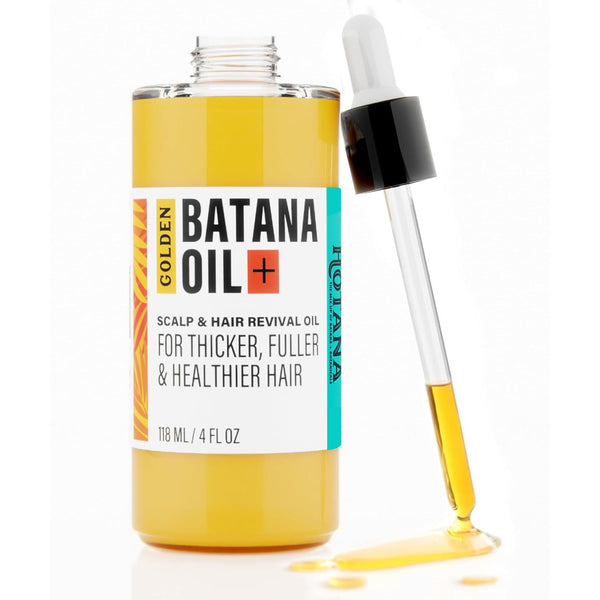
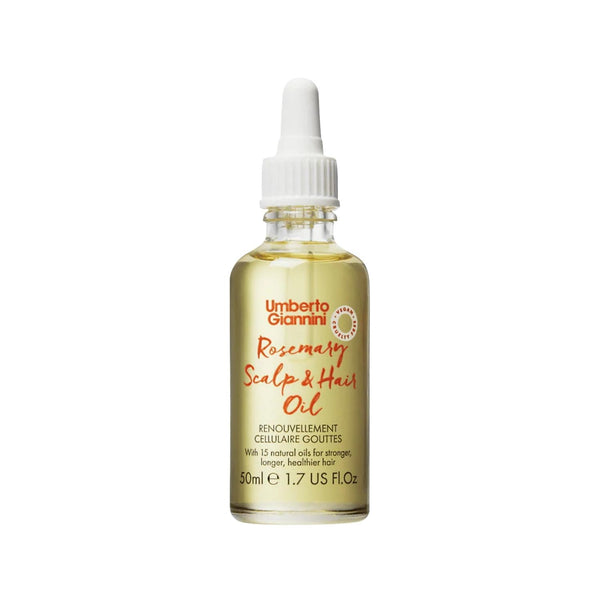
Don't use a scalp rosemary oil product on your eyelashes simply because it contains an ingredient marketed for hair growth. A product not specifically formulated and labeled for the eye area isn't appropriate for use there.
If rosemary oil gets into your eye, rinse thoroughly with clean, lukewarm water and seek medical advice if irritation, pain, redness or vision changes persist.
Beard and Eyebrow Use Still Requires Caution
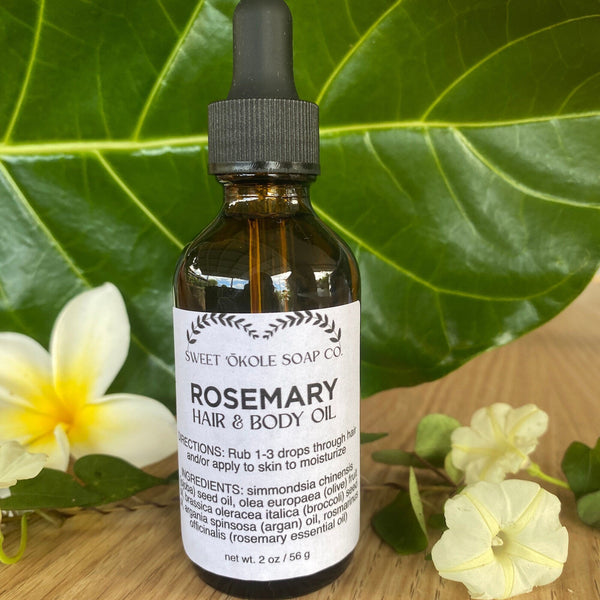
Facial skin can react to essential oils just as scalp skin can. Undiluted rosemary essential oil can cause irritation or an allergic reaction, so don't apply it directly to your face.
If you're using a product formulated for facial use, follow its directions carefully and patch test when appropriate. Don't assume that increasing the amount or applying it more often will improve results.
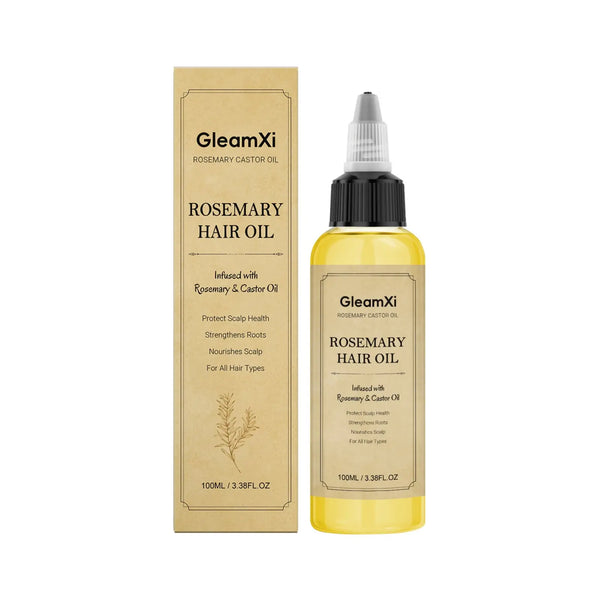
Most importantly, use only as directed. If a product is labeled for the scalp, keep it on the scalp. If it's formulated for facial hair, follow its facial-use instructions. And if it isn't specifically intended for use around the eyes, don't use it there.
Stop using the product if you develop burning, swelling, significant redness, itching or a rash. Persistent skin irritation or unexplained changes in facial hair are good reasons to speak with a dermatologist.
Overall, rosemary oil may have a place in some hair-care routines, but scalp research does not prove beard, eyebrow or eyelash growth benefits. When it comes to your eyes, caution matters more than chasing a potential cosmetic benefit. Use only as directed, and never put rosemary essential oil directly on or near the eye itself.
Share