
Rosemary Oil for Dandruff, Dry Scalp and Itch: Does It Help?
 Does rosemary oil help with dandruff? It may have some scalp-care benefits, but there isn’t enough strong clinical evidence to say that rosemary oil treats dandruff or its underlying causes. However, here's what we do know.
Laboratory research shows rosemary contains compounds with antioxidant and antimicrobial activity, which makes it interesting for scalp care. But lab findings don't automatically translate into a proven treatment for dandruff, fungal overgrowth or inflammatory scalp conditions.
It’s also important to separate dandruff from a dry scalp. Dandruff can involve flaking, itching, and scalp irritation, while a genuinely dry scalp may simply need gentler cleansing and moisture. Rosemary oil may fit into a hair-care routine for some people, particularly when the goal is to support a comfortable-feeling scalp. Still, it shouldn't replace a dandruff treatment when symptoms persist.
Does Rosemary Oil Help With Dandruff?
Rosemary oil is best thought of as a supportive cosmetic ingredient rather than a dandruff cure. Its plant compounds have antioxidant properties, and rosemary extracts have demonstrated antimicrobial effects in laboratory settings. However, there is limited human evidence specifically showing that topical rosemary essential oil reduces dandruff.
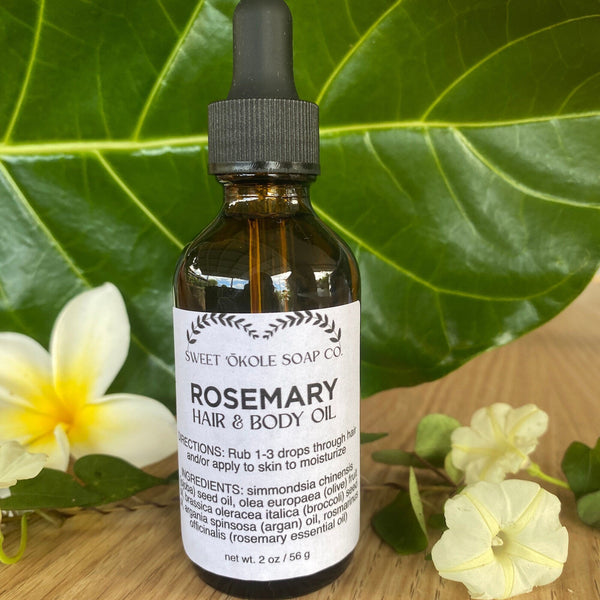
For occasional dryness or mild scalp discomfort, a properly diluted rosemary oil product may feel soothing for some people. Using a carrier oil can also add emollience, which may help reduce the feeling of dryness. That doesn't mean the oil is treating whatever is causing the flakes.
Irritation is another important consideration. Rosemary essential oil is concentrated, and essential oils can cause irritation or allergic contact dermatitis, particularly when applied undiluted or used too frequently. If you're using a rosemary essential oil product, follow its directions and don't apply essential oil directly to your scalp without appropriate dilution. Stop using it if you develop burning, worsening redness, swelling or a new rash.
How to Fit Rosemary Oil Into a Routine
If your scalp is generally healthy and you're experimenting with rosemary oil, keep the routine simple. Choose a properly formulated or pre-diluted scalp product rather than applying neat essential oil. Start with infrequent use and pay attention to how your scalp responds. If you're prone to buildup or have an oily scalp, using too much oil may make your hair feel greasy or leave residue behind.
For persistent dandruff, an evidence-based dandruff shampoo may make more sense than adding another oil to your routine. Rosemary oil can be an optional cosmetic step, not the foundation of treatment.
Build a scalp-care routine around what your scalp actually needs rather than assuming every flake means it needs more oil.
When to See a Dermatologist
Not every itchy, flaky scalp is simple dandruff. Talk with a dermatologist if your symptoms are severe, persistent or repeatedly return despite basic care. It's especially worth getting professional guidance if you have significant redness, pain, swelling, thick or silvery patches, sores, bleeding, oozing or noticeable hair loss.
Conditions such as seborrheic dermatitis, psoriasis, eczema and fungal infections can cause scalp flaking and itching, but rosemary oil should not be considered a cure for any of them. Getting the right diagnosis matters because treatment depends on the underlying cause.
Ultimately, does rosemary oil help with dandruff? It may have a place in a gentle scalp-care routine, but current evidence isn't strong enough to call it a dandruff treatment. Build a scalp-care routine that prioritizes a healthy scalp, appropriate cleansing and products you can use consistently without irritation.
Share