
Can Rosemary Oil Cause Hair Loss or Shedding?
 Can rosemary oil cause hair loss or shedding? It can sometimes make your hair or scalp seem worse, but that doesn't necessarily mean rosemary oil is causing true hair loss. Irritation, dryness, buildup and hair breakage can all make shedding more noticeable. And sometimes increased shedding simply happens around the same time someone starts a new hair product, creating a coincidence that can be easy to mistake for cause and effect.
Rosemary essential oil is highly concentrated, so putting it directly on your scalp can irritate. Burning, stinging, redness, itching or a rash are signs that your scalp isn't happy with the product. Scratching an irritated scalp can also contribute to breakage and make more hair come loose during washing or brushing.
Irritation Isn't the Same as Hair Loss
If your scalp becomes irritated after using rosemary oil, don't try to push through it. More product or more frequent applications won't necessarily produce better results and can make irritation worse.
Stop using the product if you notice persistent burning, itching, redness, swelling or a new rash. Give your scalp a chance to settle down before introducing other potentially irritating products. If symptoms are severe or don't improve after stopping the product, check with a dermatologist.
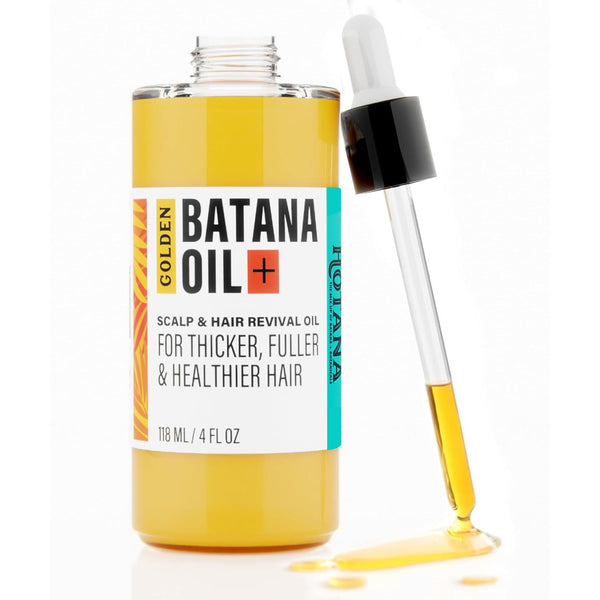
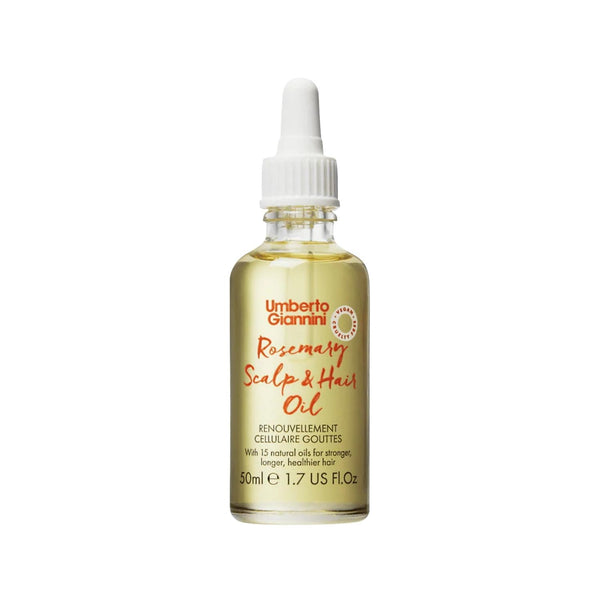
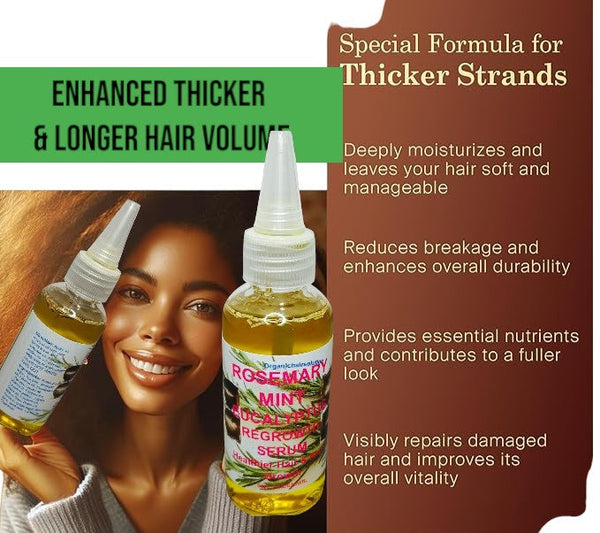
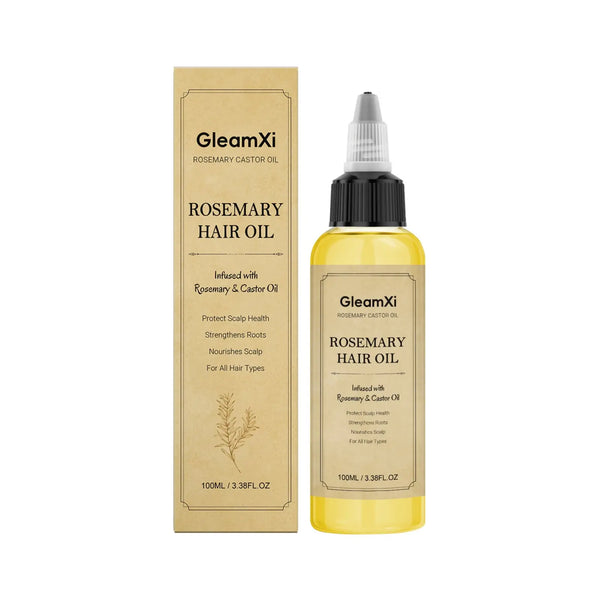
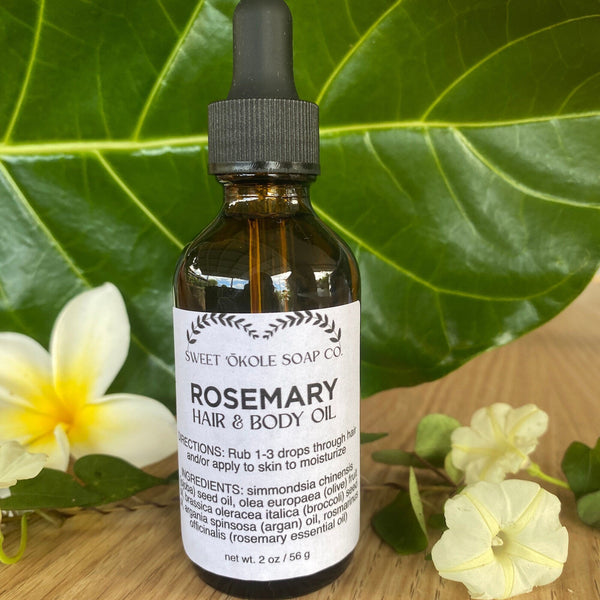
Try a gentler scalp formula if you still want rosemary in your routine. A pre-diluted or professionally formulated product can be easier to use than mixing concentrated essential oil yourself.
Watch for Buildup and Breakage
Oil can also leave buildup on the scalp or hair, especially when you use a large amount or don't cleanse it thoroughly. Buildup may leave your scalp feeling greasy, itchy or uncomfortable, while heavy oil use can make strands harder to manage.
Breakage is another possibility. Unlike shedding from the root, breakage happens when the hair shaft snaps. You may notice shorter pieces, frayed ends or more hair around your brush without necessarily having increased shedding from the scalp.
The simplest fix is often to reduce the amount you're using, wash thoroughly and avoid layering several heavy products at once.
Don't Assume Timing Means Causation
Seeing more hair in your brush after starting rosemary oil doesn't automatically prove the oil caused the shedding. Hair naturally moves through different growth and shedding phases, and changes in shedding can happen for many reasons.
Because there are multiple possible explanations for increased shedding, it's better not to try to diagnose the cause yourself based solely on when it started. Instead, pay attention to the pattern: Is it continuing? Is your scalp irritated? Are you seeing breakage, thinning or other changes?
If rosemary oil clearly seems to trigger irritation, stop using it rather than trying to tolerate the reaction.
When to See a Dermatologist
Get professional advice if shedding is sudden, heavy or persistent, or if you notice noticeable thinning, widening of your part, bald patches or other changes in hair density. Also seek care for a scalp that is persistently painful, very red, swollen, crusted, bleeding or developing sores.
A dermatologist can look at your scalp and hair and help determine what may be contributing to the change. That is more useful than assuming rosemary oil, or any other single product, is responsible.
If you want to keep rosemary in your hair-care routine, try a gentler scalp formula and follow the product's directions rather than increasing the amount or frequency on your own.
Share