
Rosemary Oil vs Minoxidil for Hair Growth: Evidence, Results and Safety

If you're wondering whether you can use minoxidil and rosemary oil together, you're not alone. Both are commonly discussed for hair thinning, but they don't have the same level of evidence behind them. Minoxidil is a well-studied treatment for certain types of hair loss, while research on rosemary oil is much more limited.
Below, we’ll compare rosemary oil, minoxidil and other hair-loss options by evidence, expected results, how they're used, cost and potential side effects. Most importantly, we'll look at whether rosemary oil can fit alongside minoxidil without treating the two as interchangeable.
Rosemary Oil vs. Minoxidil: What to Know
Minoxidil has considerably more clinical research behind it than rosemary oil and is an established treatment option for certain types of hair loss. It can support hair growth for some people, but results take time and continued use is generally needed to maintain them.
Rosemary oil has some promising research, including a small study that compared it with 2% minoxidil, but the overall evidence is much more limited. It may be an appealing addition to a hair-care routine, but it shouldn't be presented as a proven replacement for minoxidil.
Can You Use Both?
There isn't enough research to know whether using rosemary oil and minoxidil together provides an added benefit for hair growth. If you're already using minoxidil, talk with your dermatologist or pharmacist before adding rosemary oil, particularly if you're prone to scalp irritation. As with any new addition to your personal care, compare routine options before committing.
Rosemary Oil and Minoxidil Products to Consider
1. Evidence-Backed: A straightforward 5% minoxidil foam for people looking for an established topical hair-loss treatment. The foam format can be convenient for applying directly to the scalp.
2. Budget-Friendly: This is a lower-cost alternative to branded 5% minoxidil foam. It's worth considering if you're comparing options with the same active ingredient rather than paying specifically for a brand name.
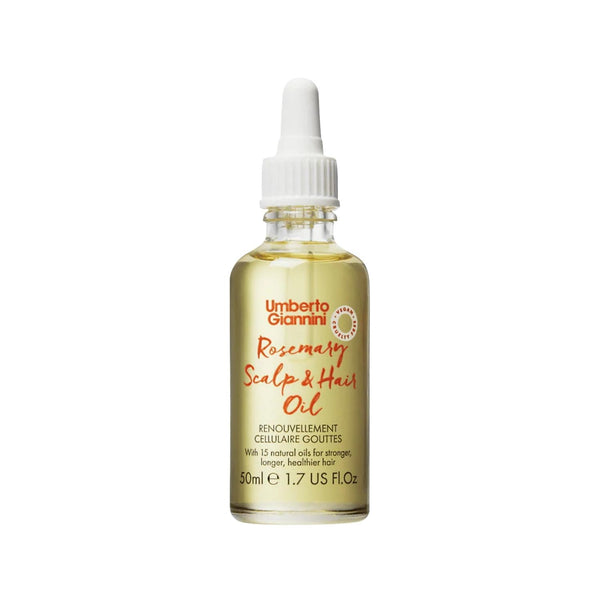
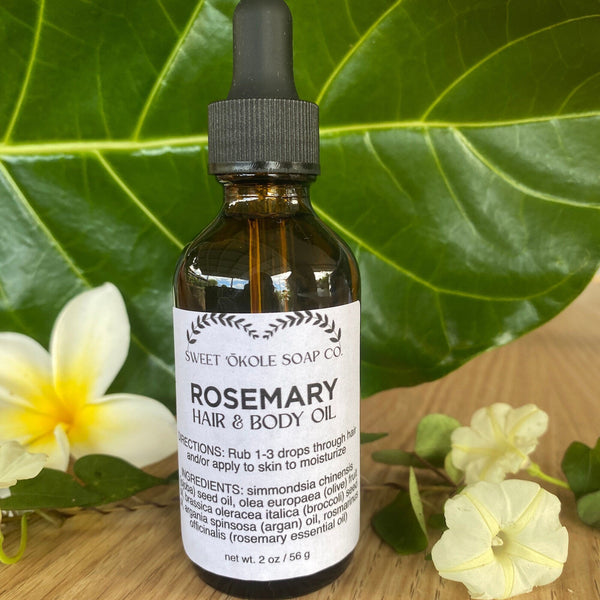
3. Lightweight: A lighter rosemary-based oil designed for scalp and hair care, making it a useful pick for people who don't love the heavy feel of traditional hair oils. It's also positioned for low-porosity hair and daily use.
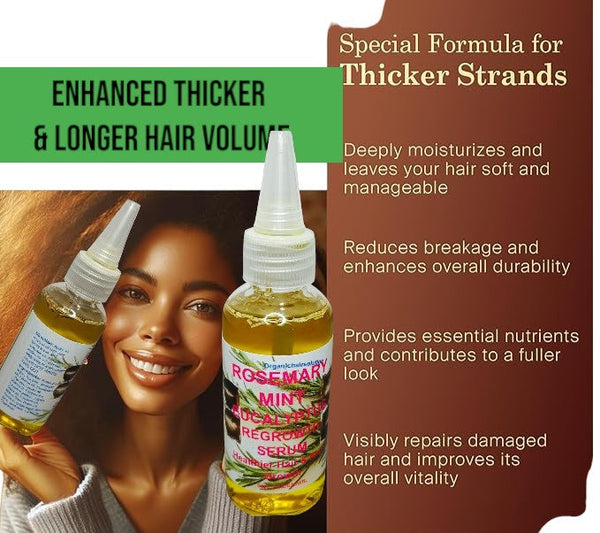
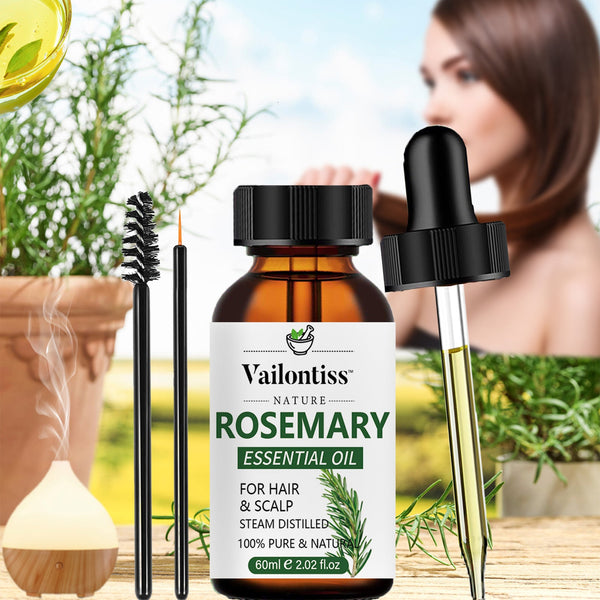
4. Classic Rosemary: This rosemary and mint oil is designed for scalp and hair conditioning and can work as a pre-wash treatment. It's a simple option for someone who wants to add rosemary oil to a broader hair-care routine.
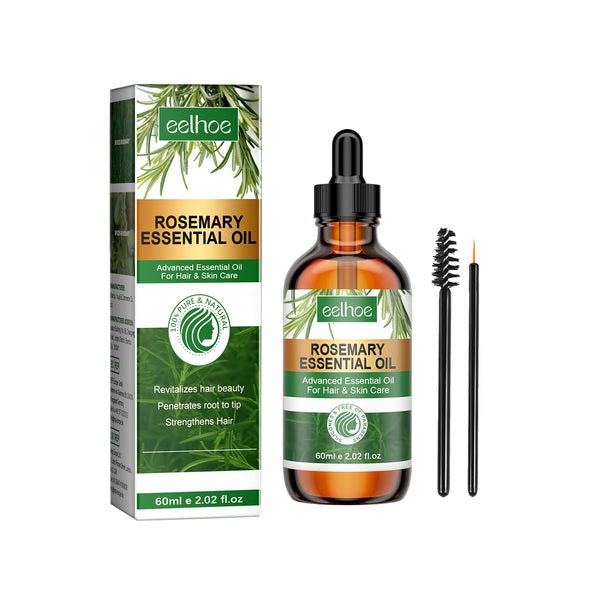
5. Targeted: This formula is intended for use as a pre-wash scalp oil, making it a convenient choice for someone who prefers a weekly treatment rather than adding oil to every wash.
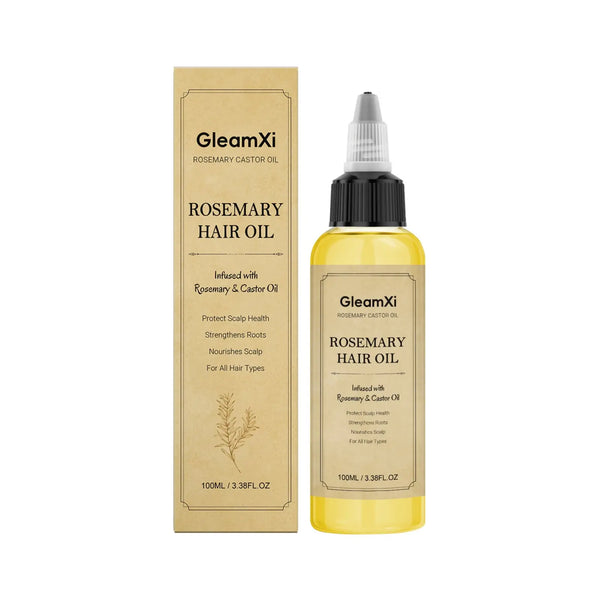
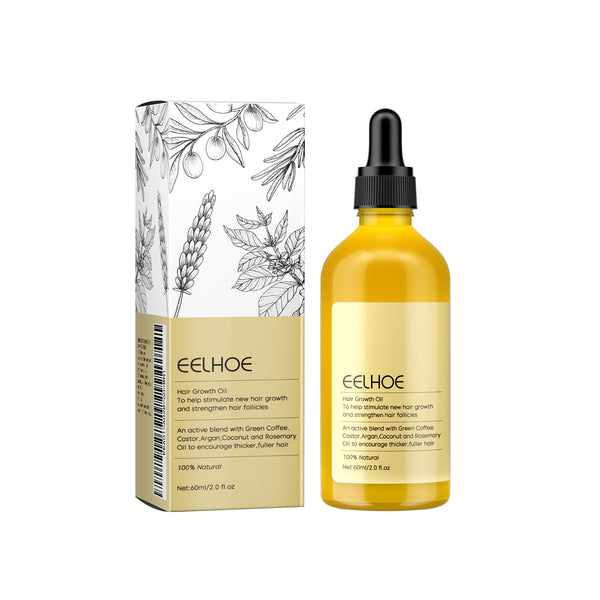
6. Moisture-Focused: This rosemary-based scalp and hair oil is geared toward moisture and conditioning as well as scalp care. It's a good fit if dryness and maintaining softer, stronger-feeling strands are part of your routine.
7. Simple Alternative: A 5% minoxidil liquid with a dropper offers another way to use the established active ingredient. The solution format may appeal to people who prefer targeted application over foam.
8. Best for Women: A 5% minoxidil foam specifically marketed for women provides another established topical option for appropriate users. As with any minoxidil product, follow the label and talk with a healthcare professional if you're unsure whether it's right for you.
Share