
How to Make Rosemary Oil for Hair: Safe DIY Methods
 If you’re planning to dilute rosemary oil or make rosemary oil for hair at home, there’s one important distinction to understand first: rosemary-infused oil and rosemary essential oil are not the same thing.
An infused oil is made by steeping rosemary leaves in a carrier oil, while essential oil is a highly concentrated extract produced through a different process. That difference affects how you make, dilute and use each one.
For a simple at-home hair treatment, rosemary-infused oil is the more straightforward option. You can make it with dried rosemary and a carrier oil such as jojoba, coconut or olive oil.
How to Make Rosemary Oil for Hair
Start with a clean, completely dry jar and add the dried rosemary. Cover it fully with your chosen carrier oil, seal the jar and let it infuse in a cool, dark place for several weeks, shaking it gently from time to time. Strain out the plant material thoroughly before transferring the finished oil to a clean, dry bottle.
Avoid using fresh rosemary if you can. Fresh herbs contain water, which can increase the risk of microbial contamination and shorten the product’s shelf life. Even with dried rosemary, homemade infused oils don't have the same controlled preservation and testing as commercial hair products.
Shelf life is another reason to make small batches. Store your strained infused oil away from heat, light and moisture and discard it if you notice an unusual smell, cloudiness, mold or other changes. Because homemade preparations vary in ingredients and storage conditions, there isn't one guaranteed shelf life. Making only what you expect to use relatively quickly is a safer approach than keeping a large batch around for months.
Rosemary-Infused Oil Vs. Rosemary Essential Oil
Rosemary essential oil is different from rosemary-infused oil. You generally should not make essential oil at home by simply soaking rosemary in carrier oil. That process creates an infusion, not an essential oil.
True rosemary essential oil is much more concentrated and should be diluted before topical use. For a conservative starting point, a properly formulated scalp product may use around 0.5–1% essential oil. Never apply rosemary essential oil neat or undiluted to your scalp.
What's Better: DIY Rosemary Oil or Ready-Made Products?
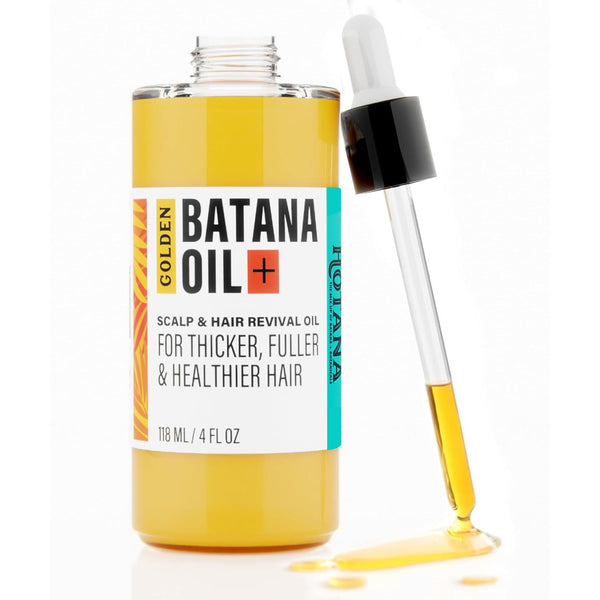
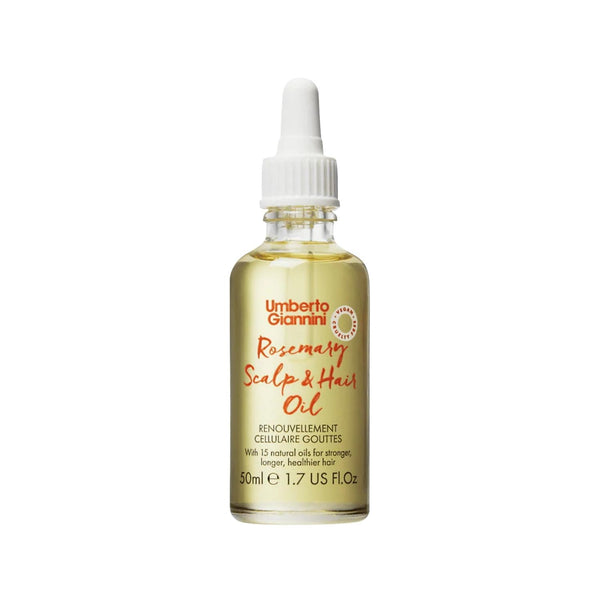
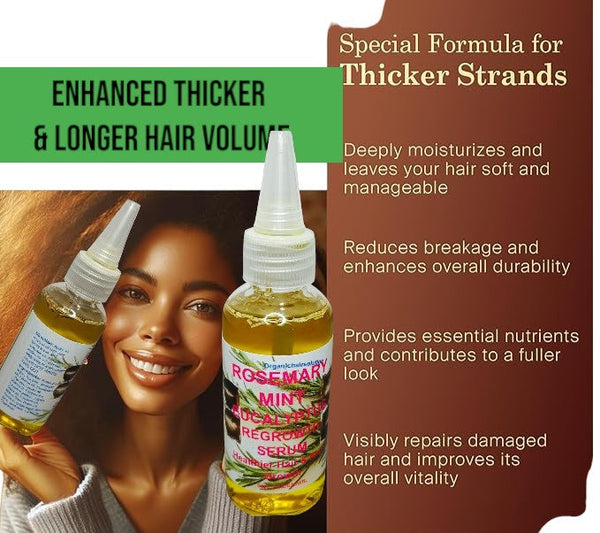
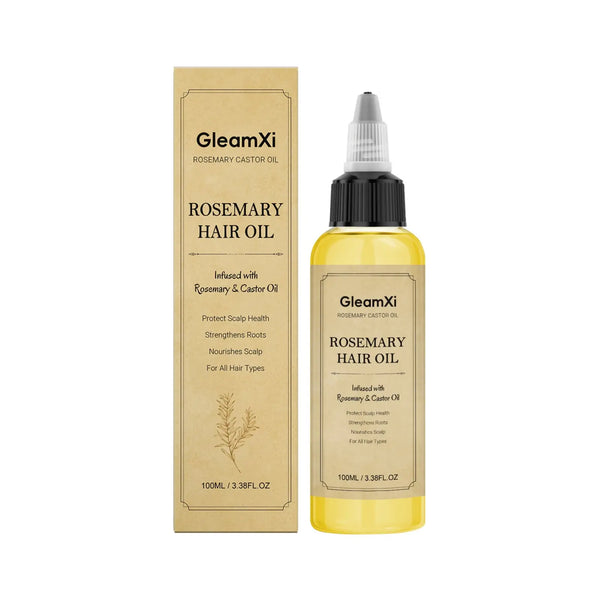
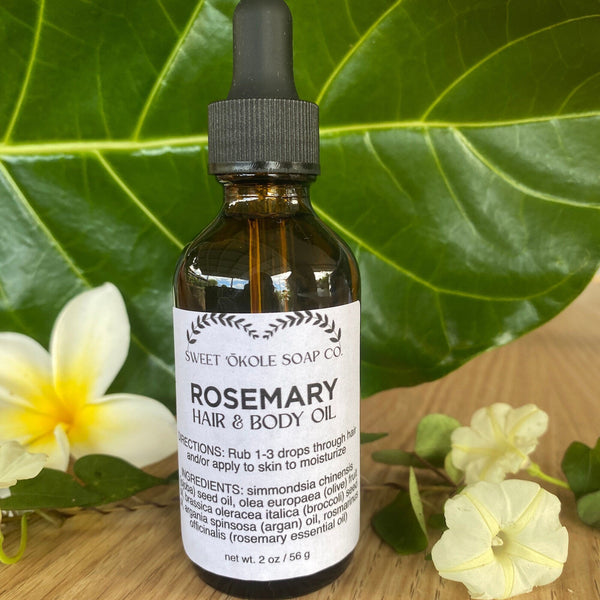
So which option makes more sense? A homemade infusion gives you control over the carrier oil and ingredients, but you also take on the responsibility for cleanliness, storage and consistency. A ready-made rosemary scalp oil or hair treatment has the advantage of being formulated for topical use, with controlled ingredients and packaging.
Compare DIY with ready-made before deciding which fits your routine. If you enjoy making small batches and are comfortable monitoring freshness, an infused oil can be a simple hair-care project. If convenience, predictable formulation and longer-term storage matter more, a professionally made product may be the easier choice.
Whichever route you choose, remember that rosemary oil isn't a guaranteed hair-growth treatment. Evidence around rosemary for hair and scalp health is promising but still limited, so think of it as one possible part of a consistent hair-care routine rather than a promise of regrowth.
Compare DIY with ready-made and choose the option that makes safe, consistent use easiest for you.
Share