
Rosemary Oil for Hair Growth: Benefits, Evidence and Realistic Expectations
 If you’ve ever wondered or searched, “Does rosemary oil grow hair?” you’ve probably seen plenty of before-and-after photos and big promises. The reality is a little more nuanced: Research suggests rosemary oil may support hair growth, but it isn’t a guaranteed fix for thinning or hair loss. Here’s what the human evidence actually shows, what rosemary oil can and can’t do, and how to add it to your hair-care routine safely.
Does Rosemary Oil Grow Hair?
There is some human research behind the rosemary hair oil hype. In one small study, 100 people with a common type of hair thinning used either rosemary oil or 2% minoxidil, a well-known hair-growth ingredient, on their scalps for six months. By the six-month mark, both groups had more hair than they did at the beginning of the study, and there was no significant difference between the two groups. Importantly, neither group saw a meaningful change after just three months.
While rosemary oil may support hair growth with consistent use over time, the research doesn't prove that it will regrow hair for everyone. The study was also relatively small and focused on one type of hair loss, so you shouldn't assume the same results apply to every cause of thinning.
What Rosemary Oil Can (and Can't) Do
Rosemary oil may be worth considering if your goal is to support the appearance of fuller, healthier-looking hair. But it shouldn't be treated as a magic growth treatment or a replacement for proven options if you're experiencing significant hair loss.
Stress, hormones, genetics, nutritional deficiencies and certain health conditions can all play a role in hair loss. If you're suddenly losing a lot of hair or noticing significant thinning, it's worth talking with a dermatologist rather than trying to solve the problem with an oil alone.
How to Add Rosemary Oil to Your Routine
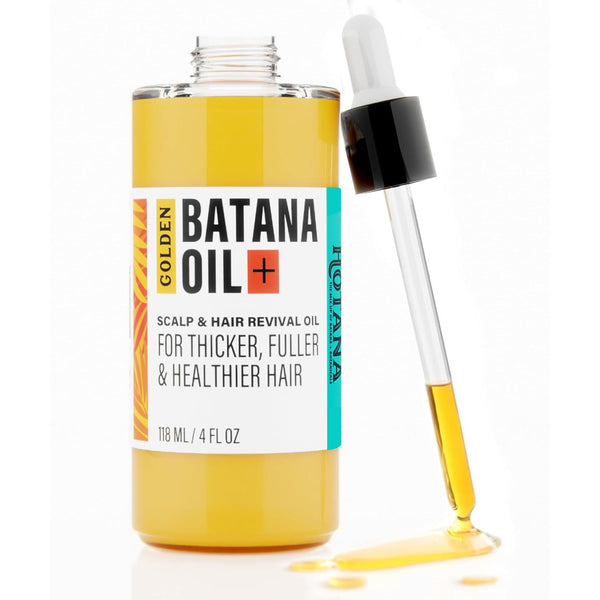
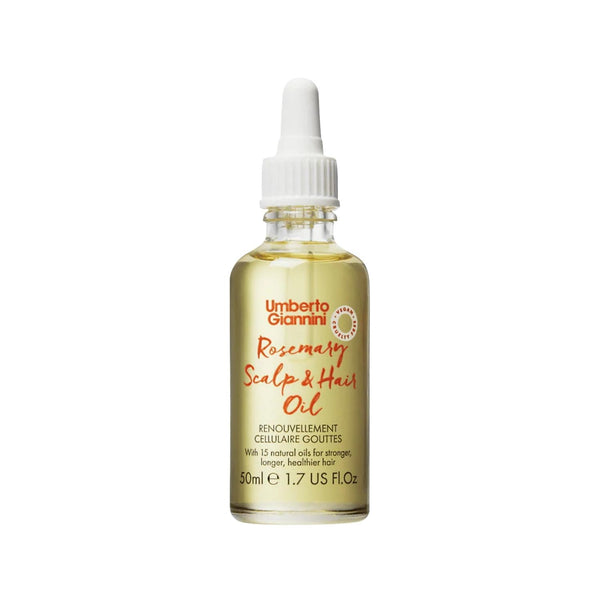
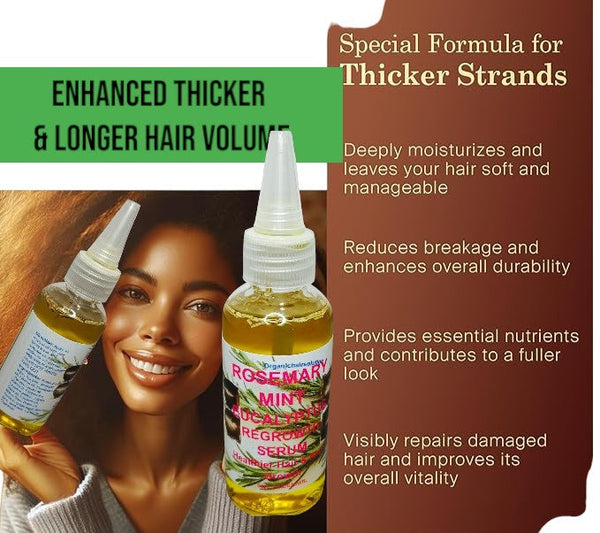
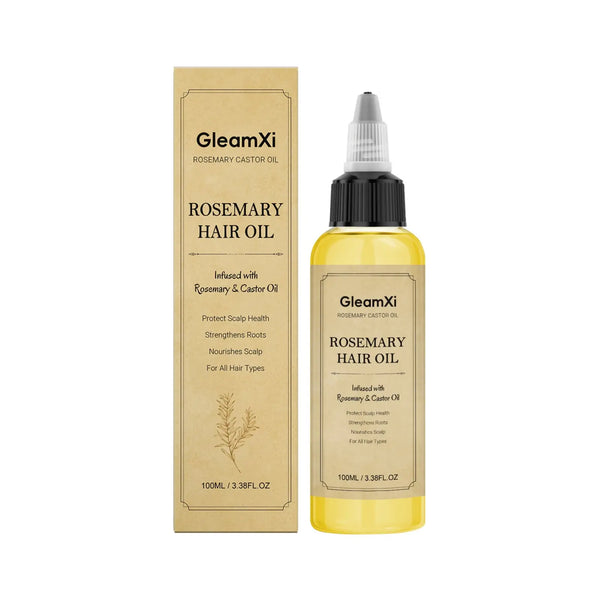
The simplest approach is to choose a pre-formulated scalp or hair product containing rosemary oil rather than applying concentrated essential oil directly to your scalp. Pure essential oils can irritate the skin if they're not diluted, so follow the directions on your product and don't assume that using more will produce better results.
Depending on the product, you might massage a rosemary scalp oil or serum into your roots or use a rosemary-infused shampoo or conditioner as part of your regular wash routine. Whichever format you choose, consistency matters more than piling on extra product.
Last, keep your expectations realistic: If rosemary oil works for you, any potential hair-growth benefits aren't likely to appear overnight. Give your new routine time to work and stop using the product if you experience burning, itching, redness or other irritation.
Shop rosemary scalp oil and other hair products to build a routine that works for you.
Share